

Upwelling
A mechanism for change

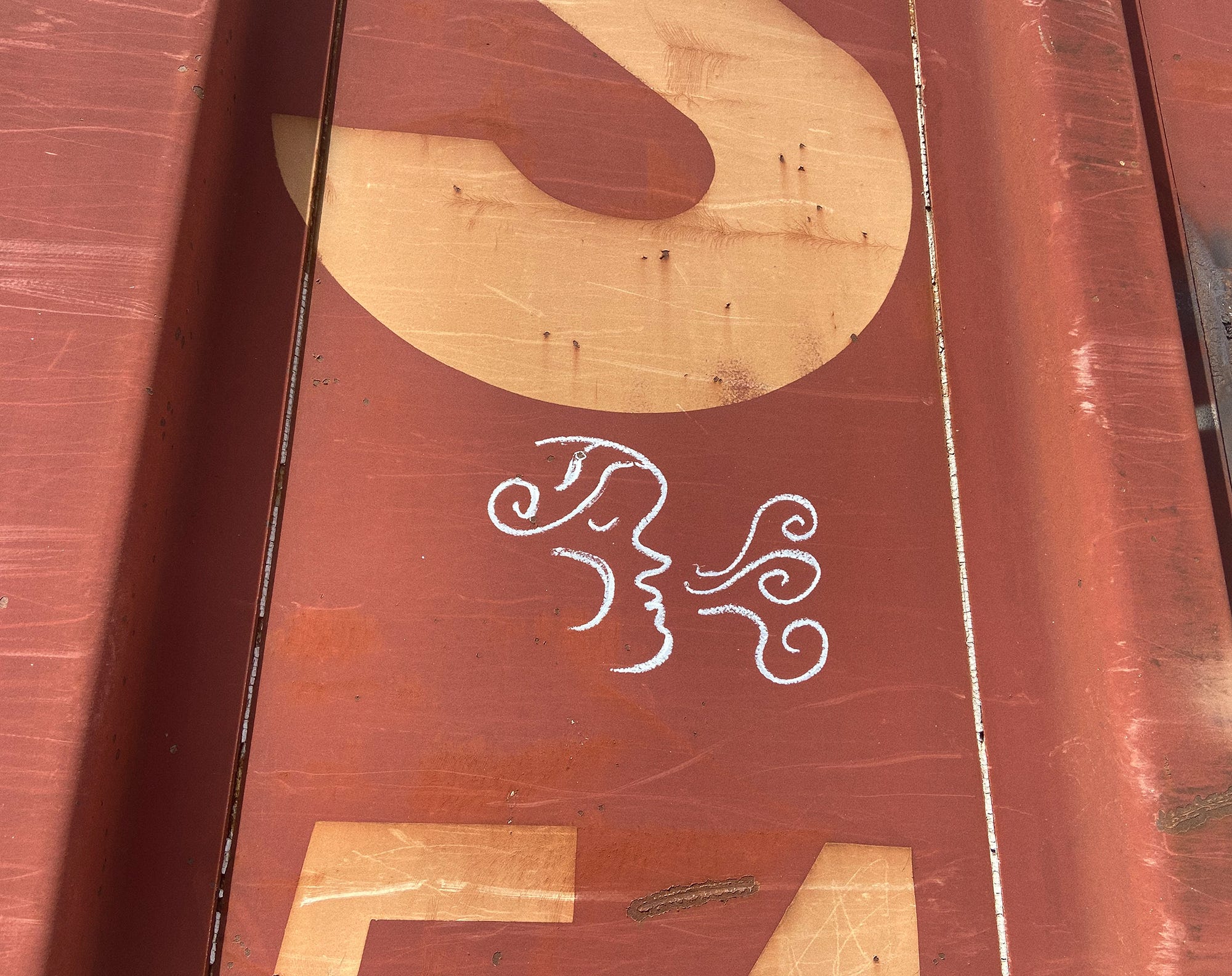
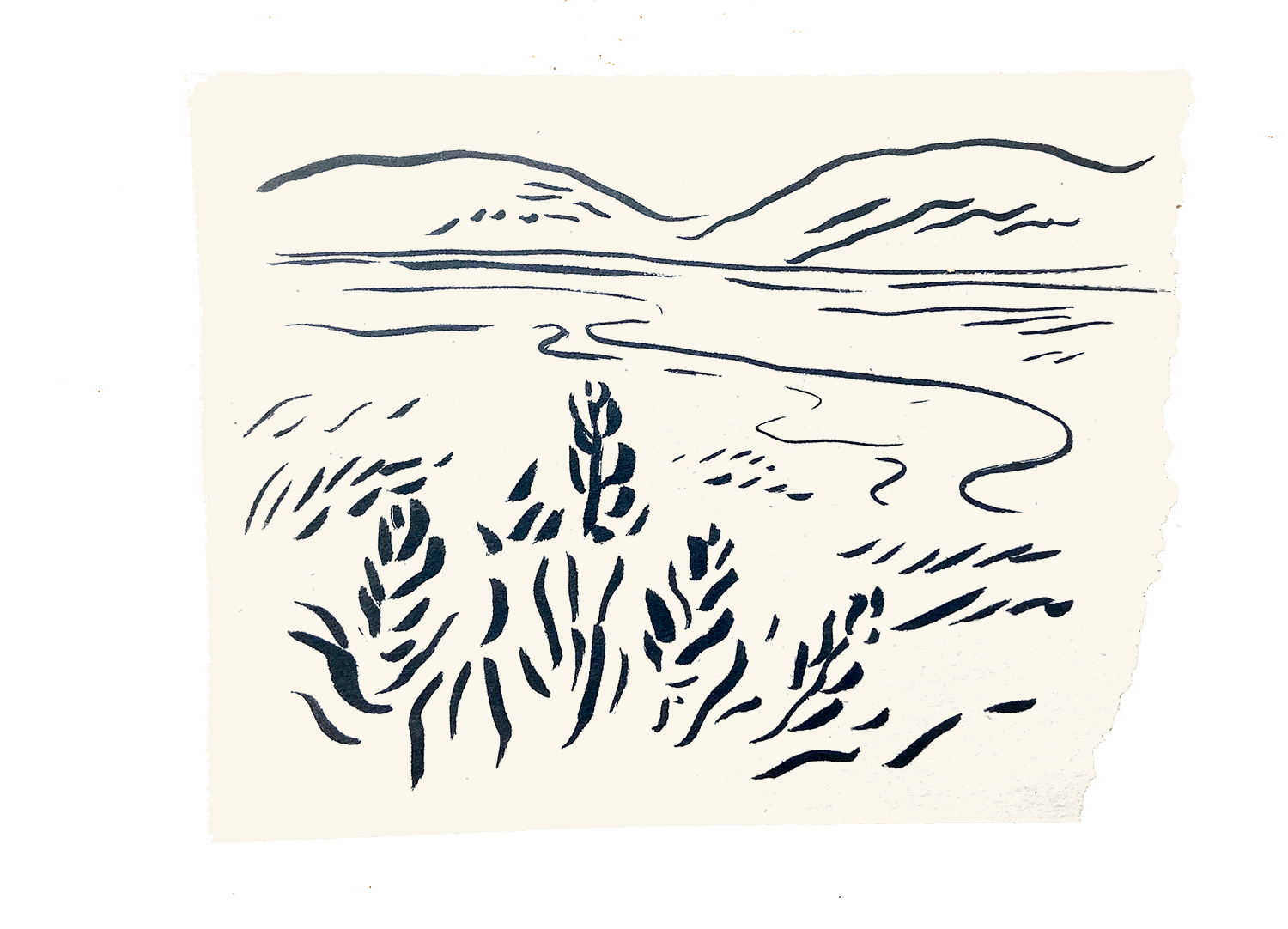
My favorite walk spans a stretch of coastal bluffs, nestled above the Pacific. The path curves along the waterline, crossing stream beds and cow fences, peppered with fennel, sage, and more often than not, a thick layer of fog.
To stand on those bluffs, perched on the edge of the continent, is to witness a landscape being shaped, or rather, pummeled by the elements on an ongoing basis. Pounding waves eroding the ochre cliffside, spring gales bending the Cyprus trees into sculptural twists. Physical traces of an ongoing dance with time. Even on the calmest days it feels precarious. Like I could get blown out to sea, consumed by that vast blueness.
The veil between myself and the world around me feels thinner here, more permeable. Embodied by the slap of wind and the roar of an unrelenting ocean. It never fails to reorient me. Pulling me away from stagnant thoughts and tired narratives, back to my body. Back to a physical place.
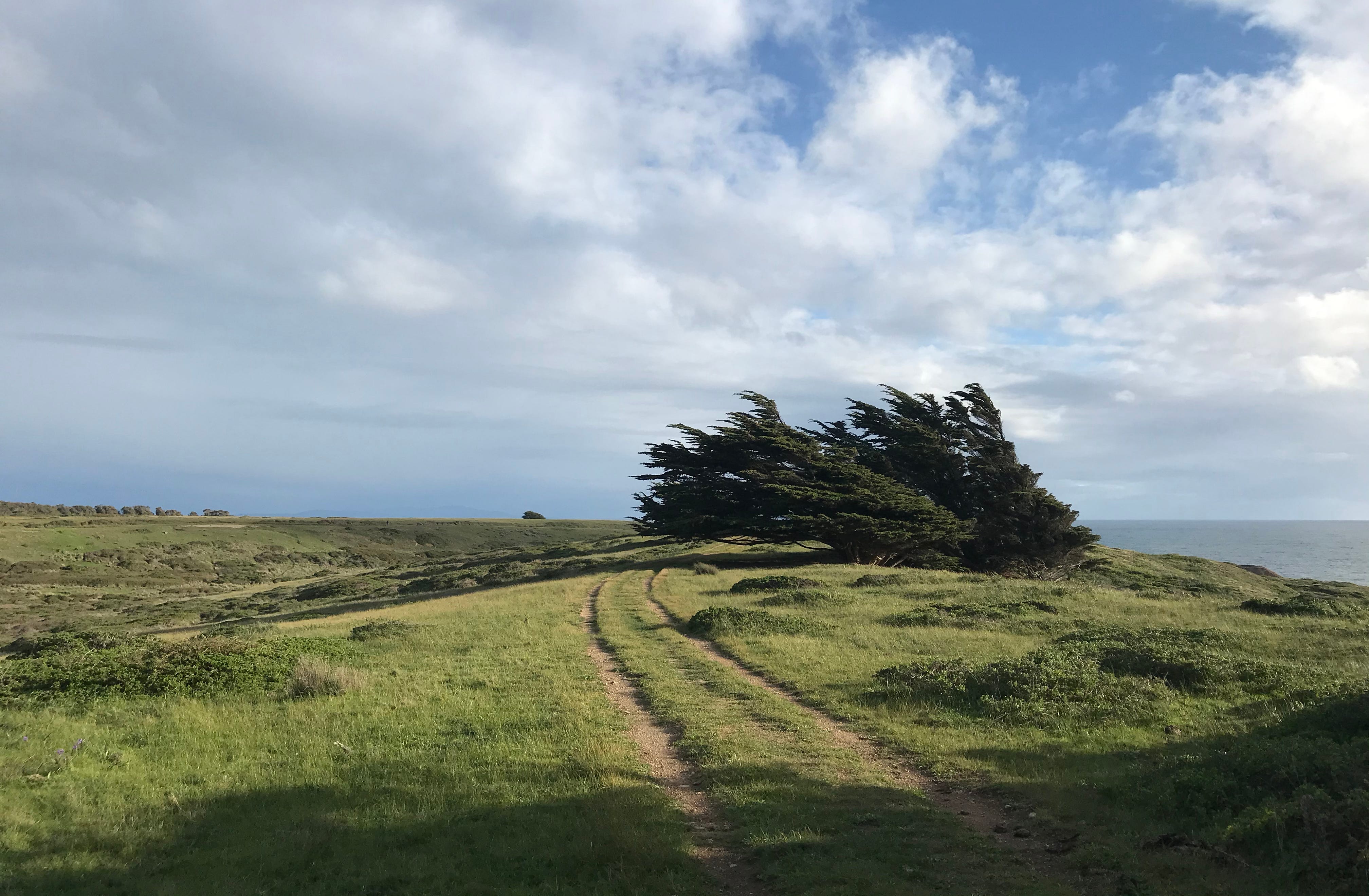
We visit these places…the coastline, the mountains, the woods…to feel alive and connected. But sometimes, the natural world comes to us. Seeping into our lives in jarring and perilous ways. Floods, hurricanes, earthquakes, wildfires, droughts. A constant reminder that “nature” is not a place we go to for recreation, but the ground we walk and the air we breathe. The very forces that shape our existence. California saw that in a big way this spring as storms hit with a vengeance. Cliff-side communities eroded, floods ravaged the Central Valley, and roofs caved with snow in the Eastern Sierra. Wind in particular took on a menacing presence for me, as gales rocked my “lightly-built” home like a ship. I took to sleeping on the couch while the eucalyptus trees above my bedroom threatened to call it quits.
Through news of the destruction, I found solace in zooming out. Remembering that wind functions as an environmental process and not just a personal grievance. In fact, that cold spring wind is the very thing that’s tending to this place and the myriad of systems within it. And by that, I mean upwelling.
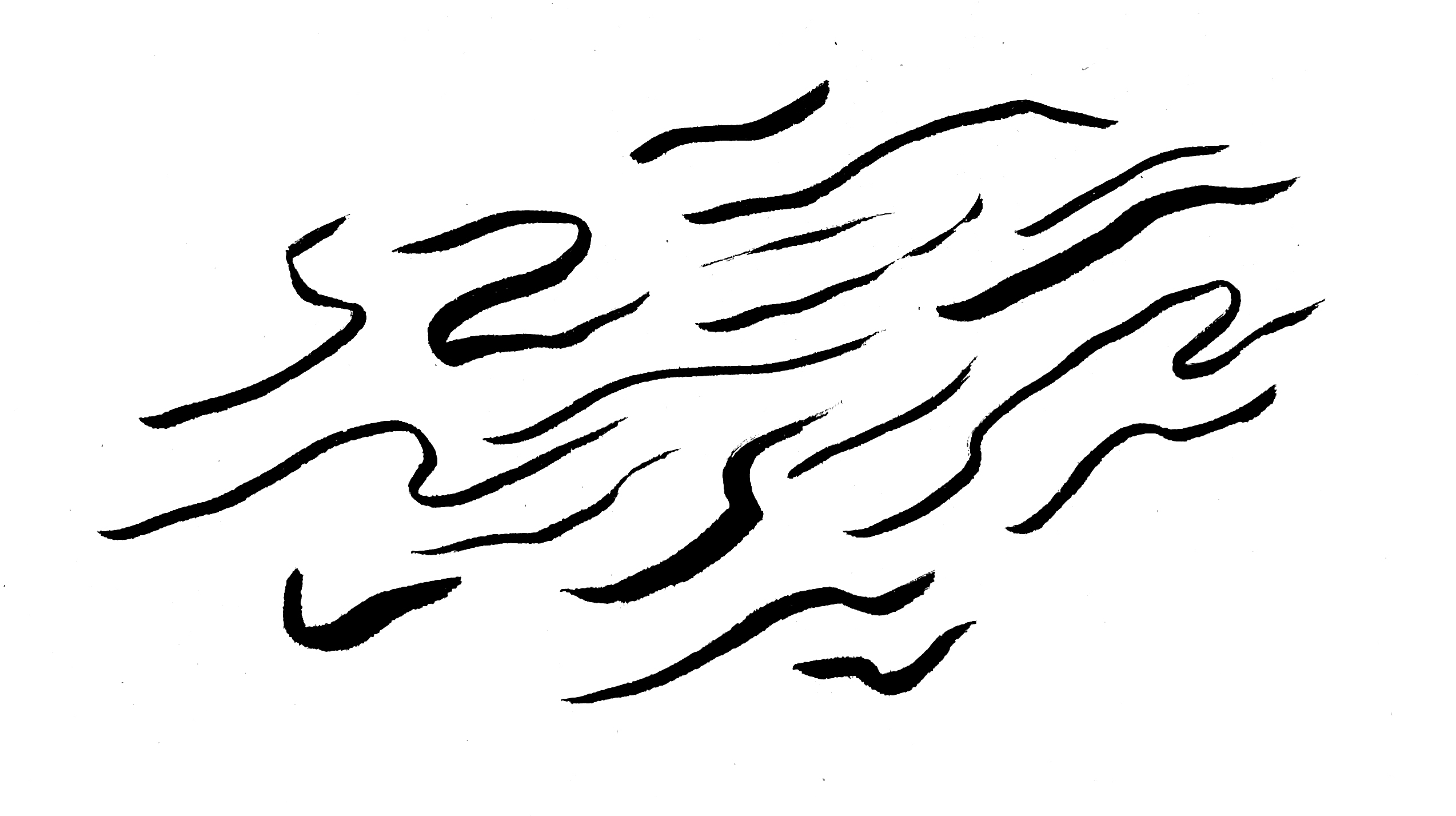
Upwelling is the process of wind blowing across the surface of the ocean. As the wind pushes the surface water away, cold water rises up from below, carrying with it all the nutrients of the deep. This water is COLD and full of organic matter from the ocean floor which essentially fertilizes the coastline, creating a nourishing environment for a host of natural systems. It supports the growth of plankton and seaweed, which in turn feeds the fish which feeds the birds and the whales and, eventually, even us humans. In other words, it’s important. The wind is important. It’s the motor that propels the system keeping our marine life productive and thriving. According to NOAA, coastal upwelling regions only cover 1% of our oceans, but provide around 50% of the fish harvest brought back to shore by fisheries. In Northern California, upwelling occurs most notably in the spring due to the northwesterly winds. So it’s those very winds that caused all that spring mayhem that are now providing such ecological wealth.
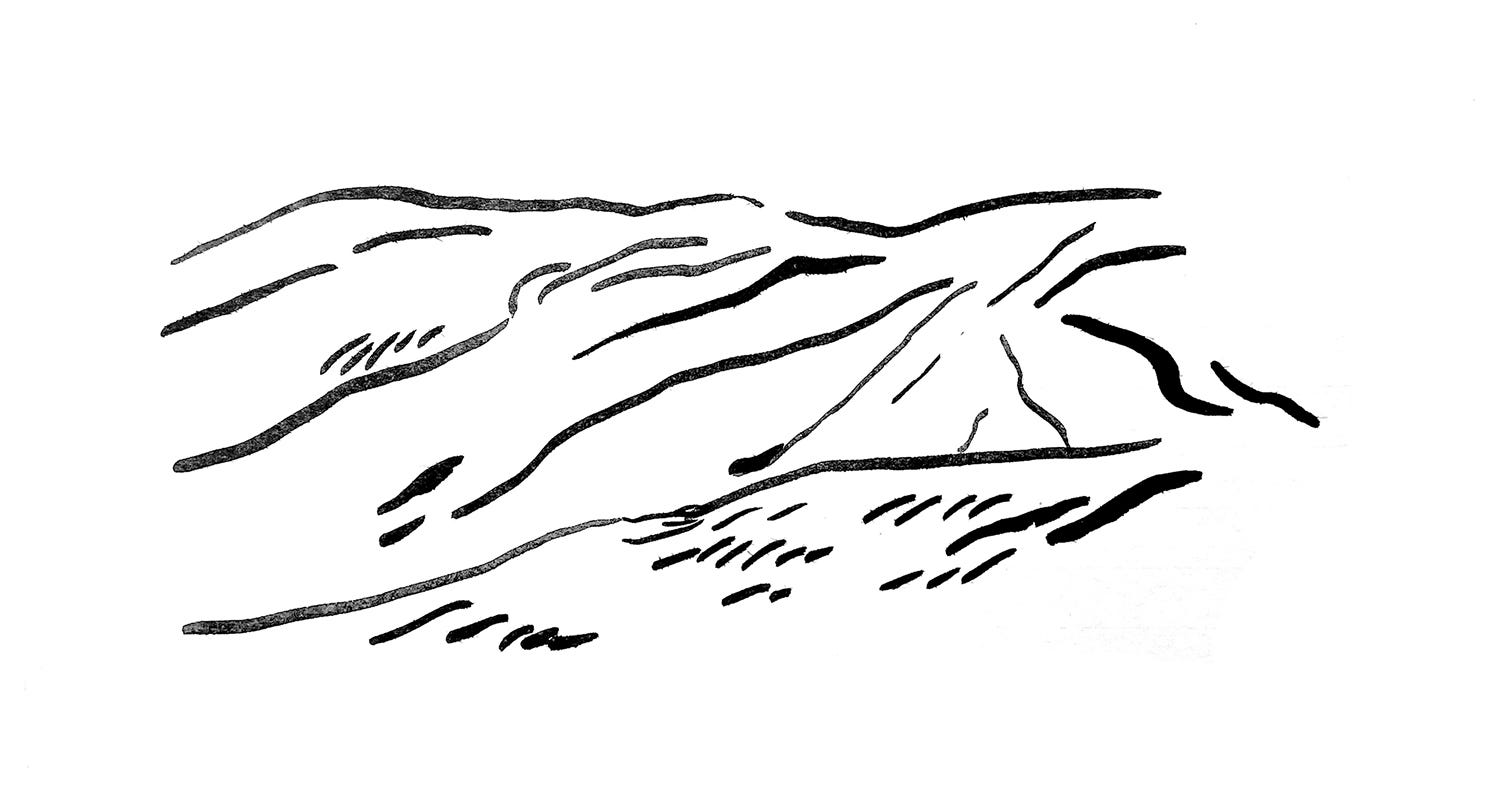
I think of upwelling often. When walking the coastal bluffs, or tucked in during a storm. But also metaphorically, as a mechanism for change. Something that churns through the depths in order to disrupt and revitalize. Knocking us off course from our routines and expectations. Forcing new pathways.
My life has had a good deal of upwelling these past few years, along with the rest of us. Sickness, death, job loss, PANDEMICS. The metaphorical picnic blanket that inevitably gets ripped from under us time and time again. It doesn’t seem to get easier, navigating discomfort. But at least with experience, the threshold for what we’re capable of withstanding deepens and expands. An awareness that discomfort is not only inescapable, but often the very thing that fortifies us, wisens us, and occasionally even enriches us.
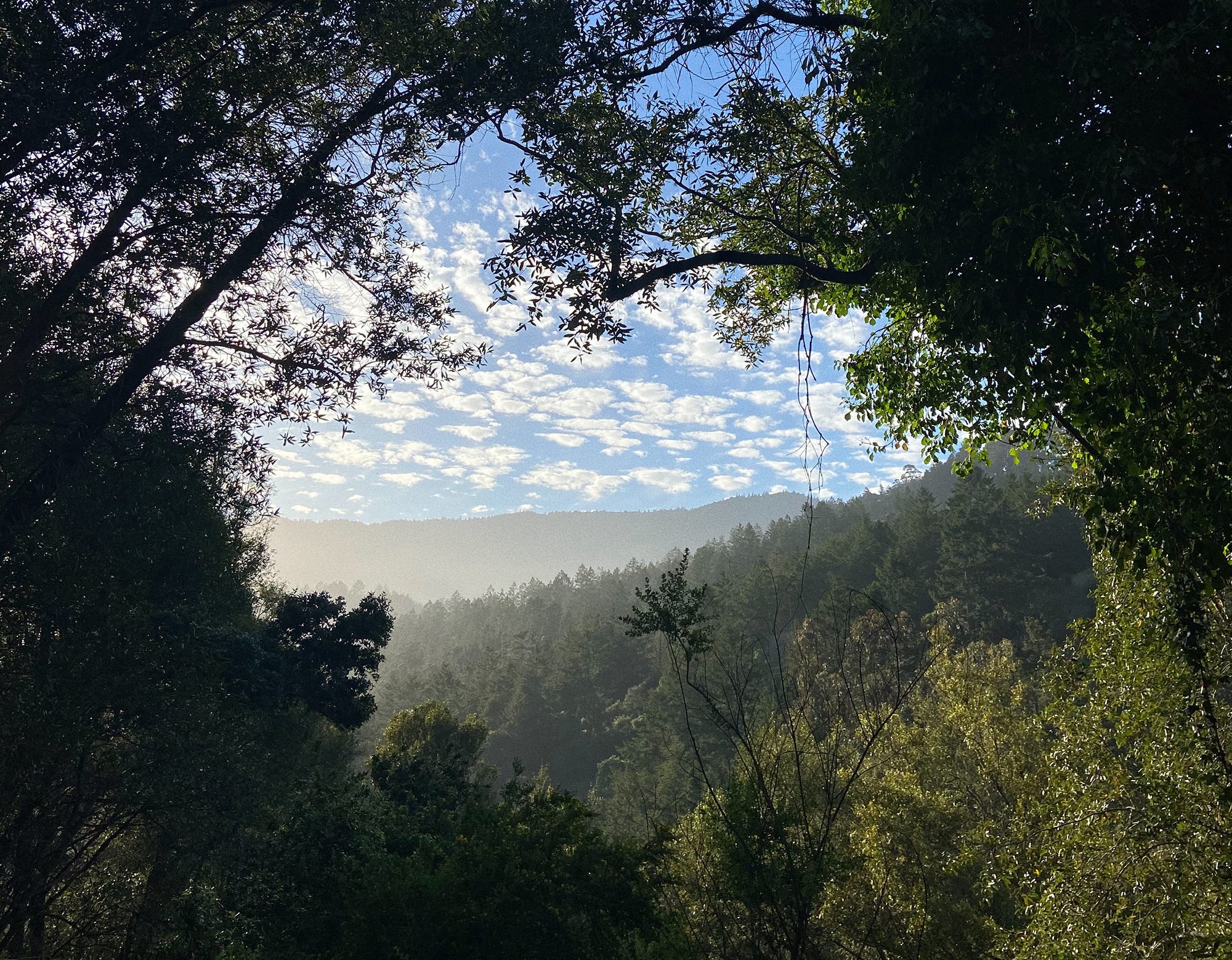
My personal upwelling as of late takes the form of a land-slide. A large section of trees blew over in one of those raging spring storms (wind!) and slid down a steep ravine, along with a good chunk of our dirt road. My parter and I live down said road in the middle of the woods. Which has made life interesting at points, but overall not much of a compromise on convenience considering we could leave at a moment’s notice. But now, with our home and cars stuck on the wrong side, we’ve had to adapt in ways that are testing us, creating the friction and complexities for all sorts of fraught logistics…from how to get to work, to how to get potable water, groceries, propane, etc. Something as simple as taking out the trash now means taking a long, stinky hike.
It’s been a logistical snafu. More of an inconvenience than an emergency, but teetering along the edge of one as my mind dips into unanswerable questions. What if there’s a wildfire? What if we need medical attention? As someone who is stubbornly independent, it’s humbling to have to lean on others. To ask for help and receive it, again and again. To feel the scale of reciprocity tipping out of balance, and to realize that no one is keeping track. In the scheme of life’s challenges, losing our road is low on the list. But it’s certainly shed light on how tethered we are to our conveniences. And how privileged we are to be facing this on such a small scale. Unlike so many others, walking distances for water is a temporary problem for us.
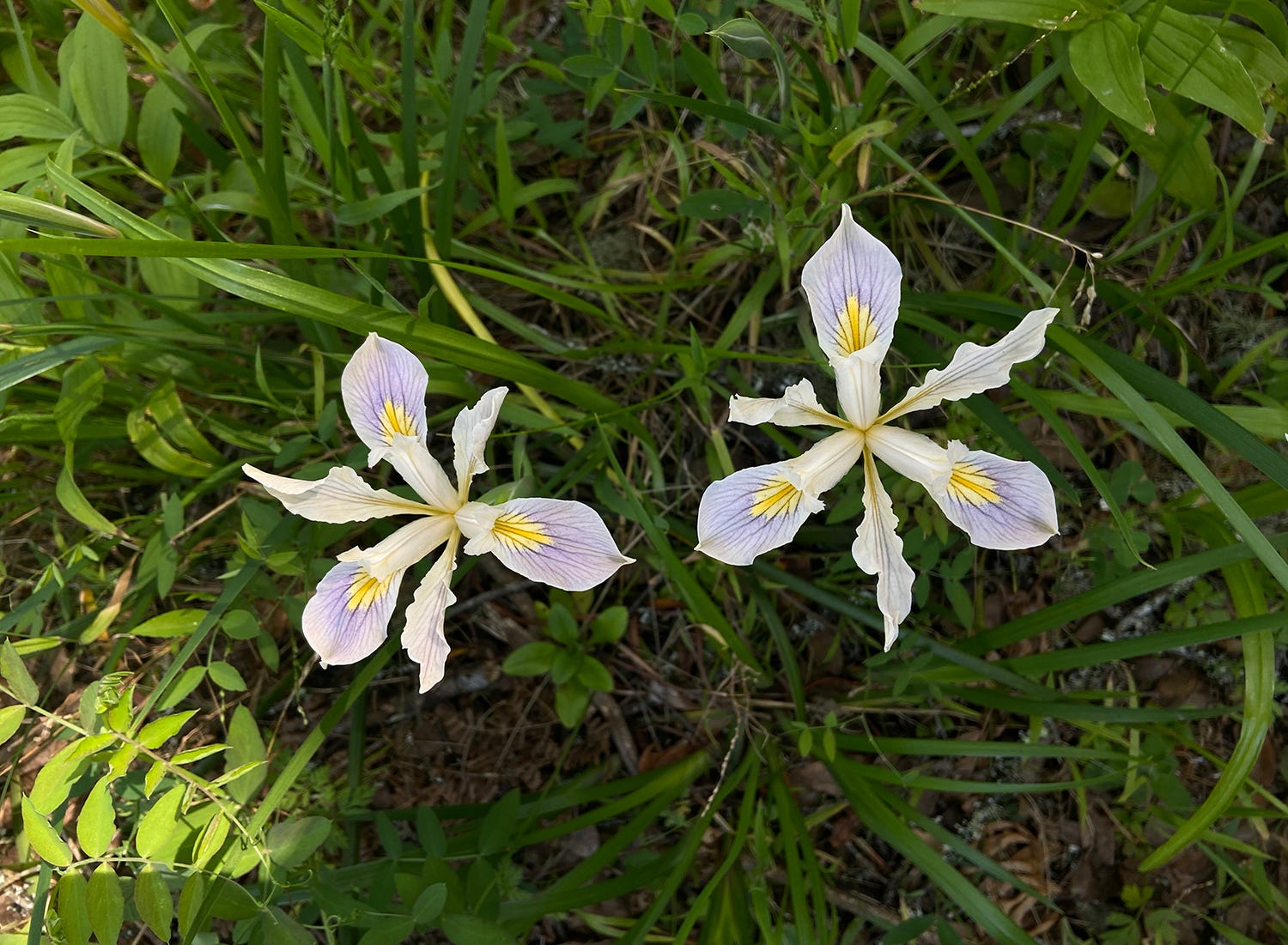
As the days soften and lengthen into early summer, walking the road has become routine. It’s been three months, and the situation still feels crunchy and undetermined. But the storms have waned, and the evidence of its bounty are abundant: prancing, crawling, flying, and blooming all around me. Douglas iris popping up in bright purple gasps, fields of forget-me-nots blanketing the undergrowth in periwinkle blue. I pause to watch the millepedes cruising around at night, transfixed by how BIG they are. The little snakes with bright orange bellies. The wobbly fawns learning to walk, dappled with baby white spots.
Being alone in the woods after dark used to scare me, but that’s faded as night hikes have become a daily commute. Held in company with the rustles, chirps, and night-crawlers. The moon rises, an owl hoots, the wind blows, softly this time. A song of all the ways to be alive.
I am in it and of it, and so are you.
Happy hiking,
Tess
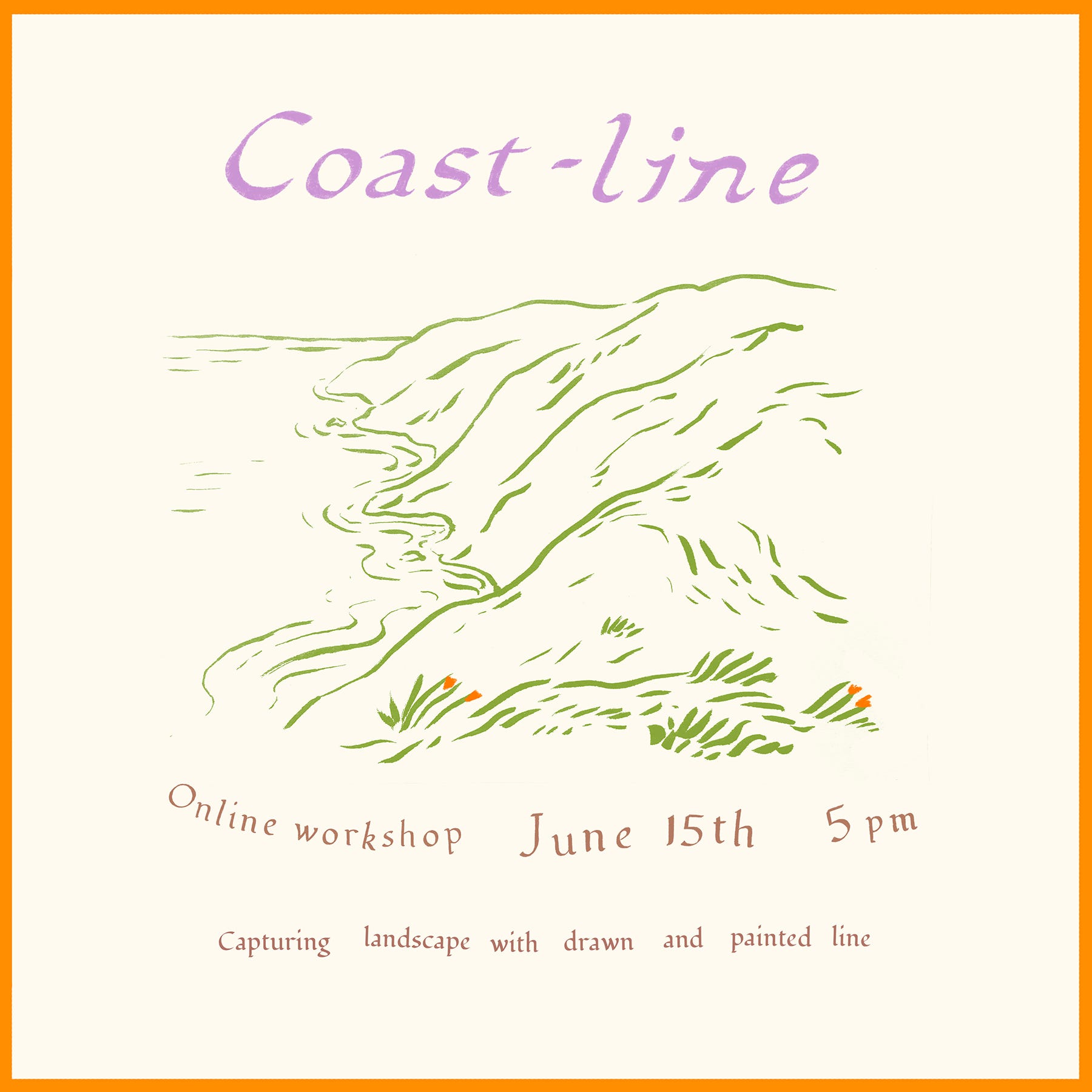
I’m hosting a live online workshop called Coast-line on June 15th from 5-7 pm PST. We’ll be learning how to use drawn and painted line to capture the coastal landscape. This class is rooted in process above output, with an emphasis on experimentation, curiosity, and play. All levels are welcome. View the course listing here, I’d love for you to join :)
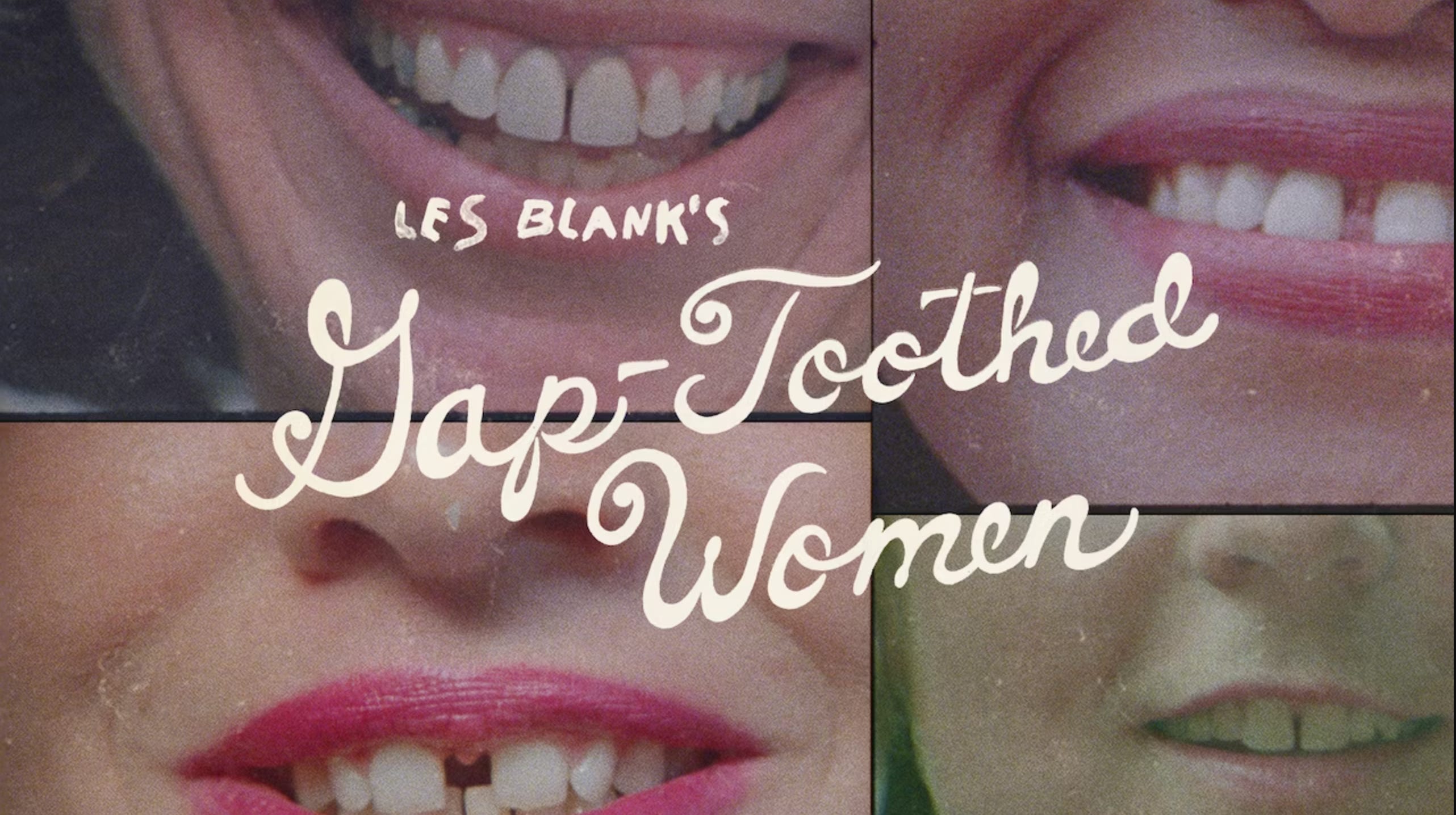
Les Blank’s film Gap-Toothed Women
Ocean Vuong on the podcast On Being with Krista Tippett, A life Worthy of Our Breath. I have yet to read his book Time is a Mother, but his book On Earth We’re Briefly Gorgeous is one of my favorites
Beautiful reflections, writing and photography.